
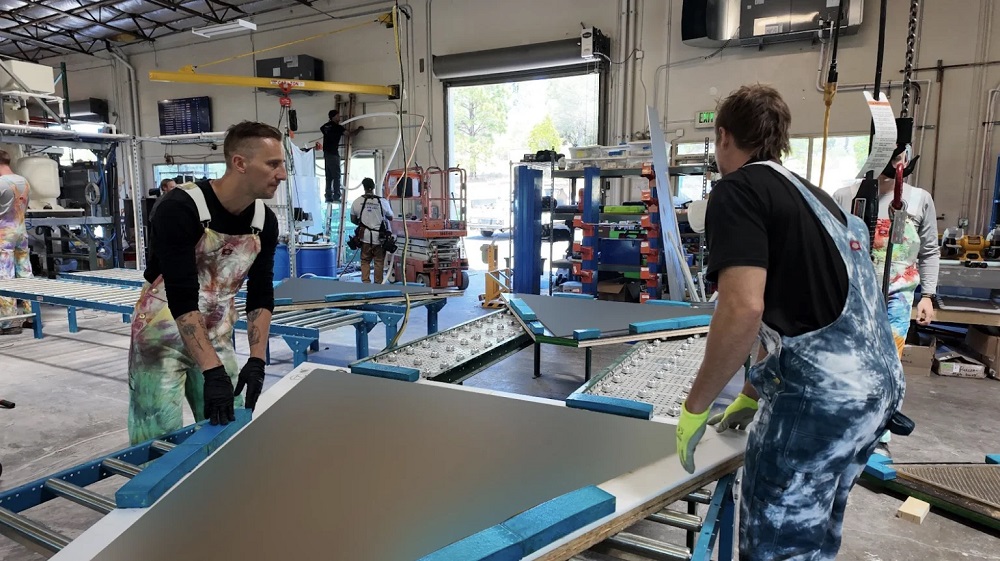
Small-scale manufacturing industries play a vital role in economic development, employment generation, and local innovation. However, as global markets become increasingly competitive and interconnected, these enterprises face mounting pressures that threaten their sustainability and growth. Limited resources, rapid technological change, and global competition often place small manufacturers at a disadvantage compared to larger corporations.
Understanding these challenges is essential for policymakers, entrepreneurs, and industry stakeholders aiming to strengthen the resilience of small-scale manufacturing in the global economy.
Intense Global Competition
One of the most pressing challenges for small-scale manufacturers is intense competition from large multinational companies. Global players benefit from economies of scale, allowing them to produce goods at significantly lower costs.
Small manufacturers often struggle to:
-
Match competitive pricing
-
Maintain consistent quality at scale
-
Access international distribution networks
As a result, competing in both domestic and export markets becomes increasingly difficult.
Limited Access to Capital and Financing
Access to affordable financing remains a major obstacle. Small-scale manufacturers frequently lack collateral, credit history, or formal financial records required by banks and investors.
This limitation affects their ability to:
-
Upgrade machinery and technology
-
Expand production capacity
-
Invest in research and development
Without sufficient capital, growth opportunities remain constrained.
Technological Gaps and Slow Adoption
Rapid advancements in manufacturing technologies, such as automation and digital production systems, have transformed global industries. Unfortunately, many small manufacturers lag behind in adopting modern technology due to high costs and limited technical expertise.
Consequences include:
-
Lower productivity
-
Higher production costs
-
Reduced product quality and consistency
This technological gap widens the competitive divide between small and large manufacturers.
Supply Chain Vulnerabilities
Small-scale manufacturing industries are highly vulnerable to supply chain disruptions. Dependence on a limited number of suppliers or intermediaries increases exposure to price fluctuations, raw material shortages, and logistical delays.
Global events such as trade restrictions or transportation disruptions can severely impact production timelines and profitability.
Compliance with Global Standards and Regulations
Meeting international quality standards, environmental regulations, and labor compliance requirements is often challenging for small manufacturers.
Key difficulties include:
-
High certification and compliance costs
-
Lack of regulatory awareness
-
Limited capacity to implement standardized processes
Non-compliance can restrict access to lucrative export markets and damage credibility.
Skilled Labor Shortages
Attracting and retaining skilled labor is another persistent issue. Skilled workers often prefer larger firms offering better wages, training opportunities, and job security.
Small manufacturers face challenges such as:
-
Limited training infrastructure
-
High employee turnover
-
Skill mismatches affecting productivity
This shortage directly impacts innovation and operational efficiency.
Marketing and Global Market Access Barriers
Entering and sustaining a presence in global markets requires strong branding, market research, and distribution strategies. Small-scale manufacturers often lack the expertise and resources needed for effective international marketing.
Common barriers include:
-
Limited digital presence
-
Inadequate market intelligence
-
Weak negotiation power with global buyers
These factors restrict visibility and customer reach beyond local markets.
Rising Operational and Energy Costs
Increasing energy prices, transportation expenses, and regulatory costs place additional strain on already thin profit margins.
Small manufacturers often struggle to absorb:
-
Rising utility costs
-
Inflation-driven input price increases
-
Compliance-related operational expenses
This makes long-term financial sustainability increasingly uncertain.
The Way Forward for Small-Scale Manufacturers
Despite these challenges, small-scale manufacturing industries can remain competitive by focusing on niche markets, innovation, collaboration, and gradual technology adoption. Strategic partnerships, government support programs, and digital transformation initiatives can help level the playing field.
Building resilience requires adaptability, continuous skill development, and a clear understanding of global market dynamics.
Frequently Asked Questions (FAQs)
1. Why are small-scale manufacturers more affected by global competition?
Small manufacturers lack economies of scale, making it harder to compete on price, volume, and market reach compared to large multinational firms.
2. How does limited financing impact small manufacturing businesses?
Insufficient funding restricts investment in technology, expansion, and innovation, slowing growth and reducing competitiveness.
3. What role does technology play in global manufacturing competitiveness?
Technology improves efficiency, quality, and cost-effectiveness. Without it, small manufacturers struggle to meet global market expectations.
4. Are government policies important for small-scale manufacturing growth?
Yes, supportive policies such as subsidies, tax incentives, and training programs can significantly enhance competitiveness and sustainability.
5. How can small manufacturers overcome supply chain challenges?
Diversifying suppliers, improving inventory management, and adopting digital supply chain tools can reduce vulnerability.
6. What skills are most important for small-scale manufacturing workers?
Technical skills, digital literacy, quality control expertise, and problem-solving abilities are increasingly essential.
7. Can small-scale manufacturers succeed in global markets?
Yes, by focusing on niche products, quality differentiation, strategic partnerships, and gradual modernization, small manufacturers can compete effectively on a global stage.
