
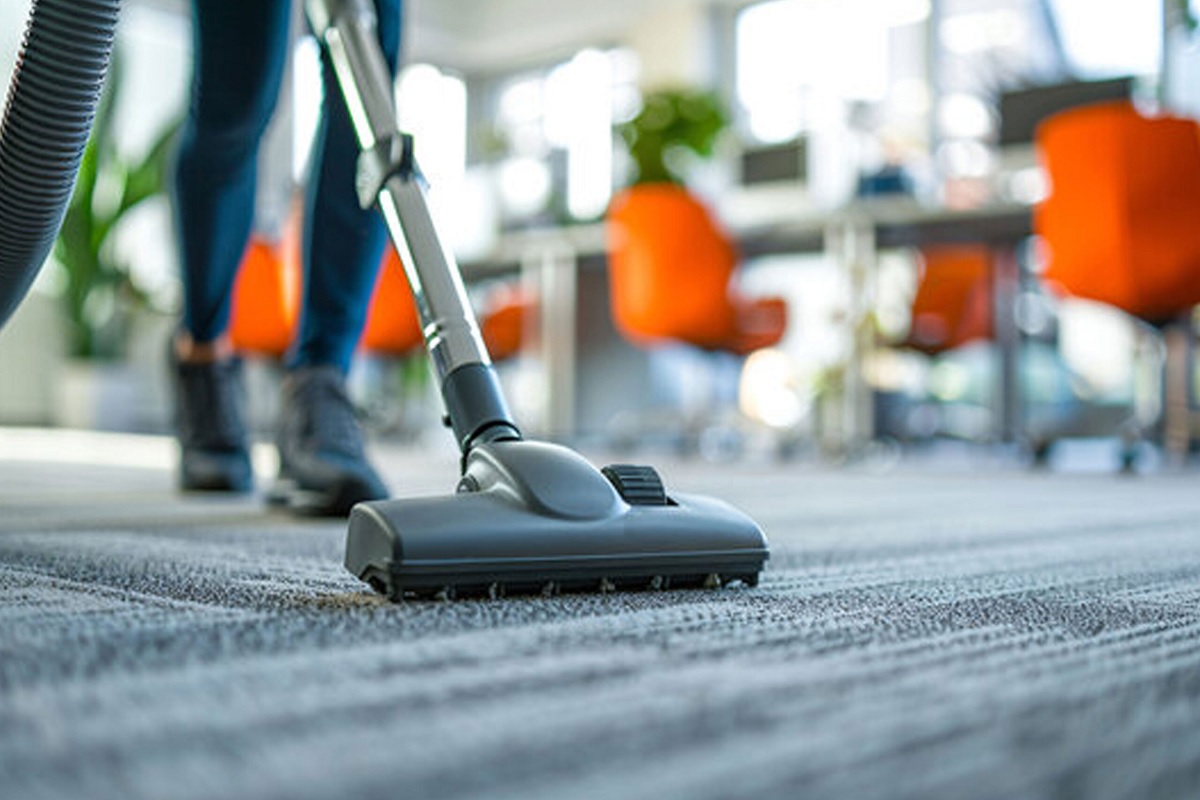
Clean office environments are no longer judged solely by tidy desks and empty bins. Flooring, particularly carpets, plays a crucial role in how hygienic, professional, and well-managed a workplace feels. In Beaconsfield, where many offices welcome clients, partners, and employees daily, maintaining high carpet cleaning standards is an essential part of business operations, not a background task.
Carpets quietly absorb everything from outdoor dirt to airborne pollutants, and without a structured cleaning approach, they can quickly become a hidden hygiene risk. This is why businesses increasingly prioritise professional office Carpet Cleaning Beaconsfield services as part of their ongoing facilities management strategy. When carried out correctly, carpet cleaning supports health, protects assets, and aligns offices with recognised workplace hygiene expectations.
Why Carpet Cleaning Standards Matter in Office Environments
Office carpet cleaning standards exist to ensure that commercial spaces remain safe, healthy, and visually presentable. Unlike residential settings, offices experience consistent foot traffic, shared usage, and exposure to external contaminants throughout the working week.
Without proper standards in place, offices may face:
- Poor indoor air quality caused by trapped dust and pollutants
- Faster carpet deterioration due to abrasive debris
- Increased employee discomfort and sickness
- Negative impressions on visitors and clients
Setting and following clear carpet cleaning standards helps businesses avoid these issues and maintain consistent quality across all areas of the workplace.
Understanding Commercial Carpet Usage in Beaconsfield Offices
Beaconsfield offices vary widely, from professional service firms and medical practices to corporate buildings and shared workspaces. Each environment places different demands on carpeted areas, which is why cleaning standards should be adaptable rather than generic.
Factors influencing carpet wear include:
- Number of daily occupants and visitors
- Presence of outdoor walkways and car parks
- Use of communal spaces such as meeting rooms and break areas
- Building layout and airflow patterns
Recognising these factors allows businesses to implement cleaning routines that match real-world usage rather than relying on infrequent or reactive cleaning.
Core Office Carpet Cleaning Standards Businesses Should Follow
Regular Maintenance as a Baseline
Routine maintenance forms the foundation of effective carpet care. This includes daily or weekly vacuuming using commercial-grade equipment capable of handling fine particles and high-traffic conditions.
Best practice maintenance typically involves:
- Vacuuming high-traffic areas daily
- Spot-cleaning spills as soon as they occur
- Monitoring carpet condition for signs of wear or staining
While routine care keeps carpets looking acceptable, it does not replace the need for professional deep cleaning.
Scheduled Professional Deep Cleaning
Professional deep cleaning is essential for removing embedded dirt, bacteria, and allergens that routine cleaning cannot reach. Industry standards generally recommend scheduled deep cleaning rather than waiting until carpets visibly deteriorate.
A structured schedule may include:
- Quarterly deep cleaning for busy offices
- Biannual cleaning for moderate-traffic environments
- Annual cleaning for low-traffic spaces
Working with experienced providers such as https://www.rinsecleaning.co.uk/commercial/office-carpet-cleaning allows businesses to align cleaning schedules with actual usage patterns rather than assumptions.
Health and Hygiene Considerations in Carpet Cleaning
Indoor Air Quality Management
Carpets significantly influence indoor air quality. Dust and microscopic particles trapped within fibres can be released back into the air through movement, affecting employee comfort and health.
Proper cleaning standards help:
- Reduce airborne allergens
- Improve overall air freshness
- Support staff with respiratory sensitivities
In professional office settings, maintaining clean carpets contributes to a healthier working atmosphere and fewer complaints linked to air quality.
Reducing Bacteria and Microbial Build-Up
Office carpets can harbour bacteria transferred from shoes, spills, and shared spaces. Without deep cleaning, microbial levels can increase over time, particularly in busy areas.
Professional cleaning methods are designed to neutralise bacteria and remove residues that encourage microbial growth, helping businesses maintain hygienic environments that align with workplace health responsibilities.
Appearance Standards and Professional Image
Clean carpets are central to workplace presentation. Clients and visitors may not consciously inspect flooring, but they quickly notice stains, odours, or worn patches.
Maintaining appearance standards through regular carpet cleaning helps offices:
- Reinforce a professional brand image
- Create welcoming environments for meetings
- Support employee pride in their workplace
In Beaconsfield, where many businesses rely on reputation and trust, visual cleanliness plays a subtle but powerful role in perception.
Protecting Carpets as Long-Term Assets
Commercial carpets are a significant investment. Without consistent care, they degrade faster, leading to higher replacement costs and operational disruption.
Cleaning standards that prioritise professional maintenance help protect carpets by:
- Removing abrasive particles that damage fibres
- Preventing stains from becoming permanent
- Preserving texture and colour
Over time, this approach reduces overall flooring costs and extends the usable life of carpet installations.
Tailoring Standards to Different Office Zones
Effective carpet cleaning standards recognise that not all areas require the same level of attention.
High-Traffic Areas
Entrances, corridors, and reception areas accumulate dirt quickly and benefit from frequent professional cleaning.
Workstations and Open Offices
These areas collect fine dust, food particles, and fibres that affect hygiene and air quality over time.
Meeting Rooms and Executive Spaces
Presentation-focused areas require consistent cleaning to maintain a polished appearance for internal and external meetings.
By categorising spaces, businesses can allocate cleaning resources more efficiently while maintaining consistent standards.
Minimising Disruption Through Planned Cleaning
One common concern is disruption to daily operations. Modern office carpet cleaning standards address this by encouraging planned cleaning schedules that fit around business hours.
Professional services often offer:
- Evening or weekend cleaning
- Fast-drying techniques to reduce downtime
- Low-noise equipment suitable for office environments
This ensures that hygiene improvements do not come at the expense of productivity.
Health and Safety Responsibilities for Employers
Employers have a duty to provide safe working conditions. Neglected carpets can present risks such as slips, trips, or allergic reactions.
Maintaining carpet cleaning standards helps address these risks by:
- Removing residues that create slippery surfaces
- Ensuring even carpet textures
- Reducing airborne irritants linked to health complaints
This proactive approach supports compliance with workplace health expectations and demonstrates responsible management.
Environmental Awareness in Carpet Cleaning Practices
Many businesses are increasingly conscious of environmental responsibility. Carpet cleaning standards have evolved to reflect this shift.
Modern professional cleaning focuses on:
- Efficient water usage
- Targeted cleaning methods to reduce waste
- Processes that maintain indoor air quality
Selecting professional services aligned with these principles allows offices to maintain cleanliness while supporting broader sustainability goals.
Creating a Consistent Carpet Cleaning Policy
For long-term success, businesses benefit from documenting carpet cleaning standards as part of their facilities management policies.
A clear policy may include:
- Defined cleaning frequencies by area
- Responsibilities for routine maintenance
- Scheduled professional cleaning intervals
- Procedures for handling spills and stains
This consistency ensures that standards are maintained regardless of staffing changes or office expansion.
FAQs About Office Carpet Cleaning Standards in Beaconsfield
How often should professional carpet cleaning be scheduled in offices?
The frequency depends on foot traffic and usage. High-traffic offices often require quarterly professional cleaning, while quieter environments may manage with biannual or annual schedules. Regular assessments help refine timing.
Can professional carpet cleaning reduce unpleasant office odours?
Yes. Deep cleaning removes odour-causing residues trapped within carpet fibres, helping offices maintain fresher and more comfortable environments.
Are professional carpet cleaning methods suitable for all carpet types?
Commercial cleaning methods are selected based on carpet material and construction. Experienced providers assess carpet types before cleaning to ensure safe and effective results.
Does carpet cleaning contribute to employee wellbeing?
Clean carpets improve air quality, reduce allergens, and create more pleasant surroundings, all of which positively influence employee comfort and morale.
Is it better to clean carpets more frequently or replace them sooner?
Regular professional cleaning is almost always more cost-effective than early replacement. Proper maintenance significantly extends carpet lifespan and preserves appearance.
How can businesses ensure cleaning standards are consistently met?
Working with a reliable professional service and documenting cleaning schedules within facilities management plans helps maintain consistency over time.
By following structured office carpet cleaning standards, businesses in Beaconsfield can protect their workspaces, support employee health, and maintain the professional environments that modern offices demand.
